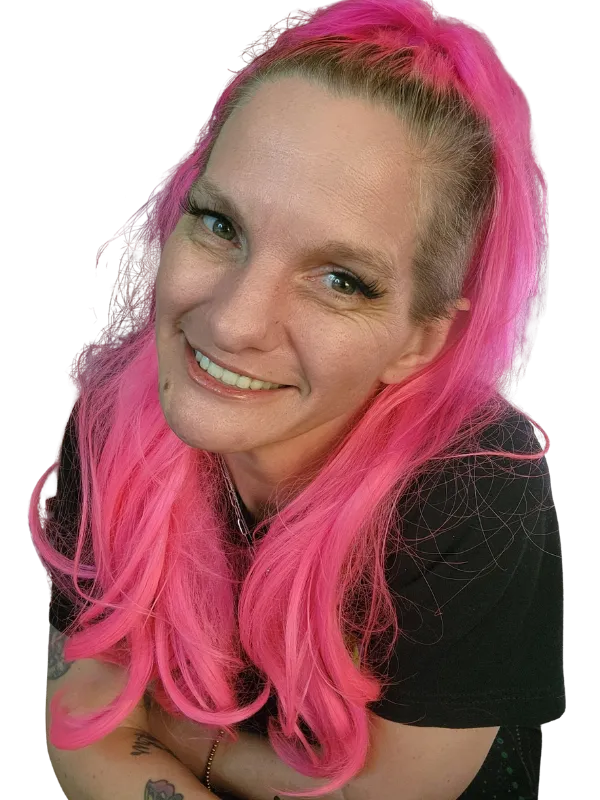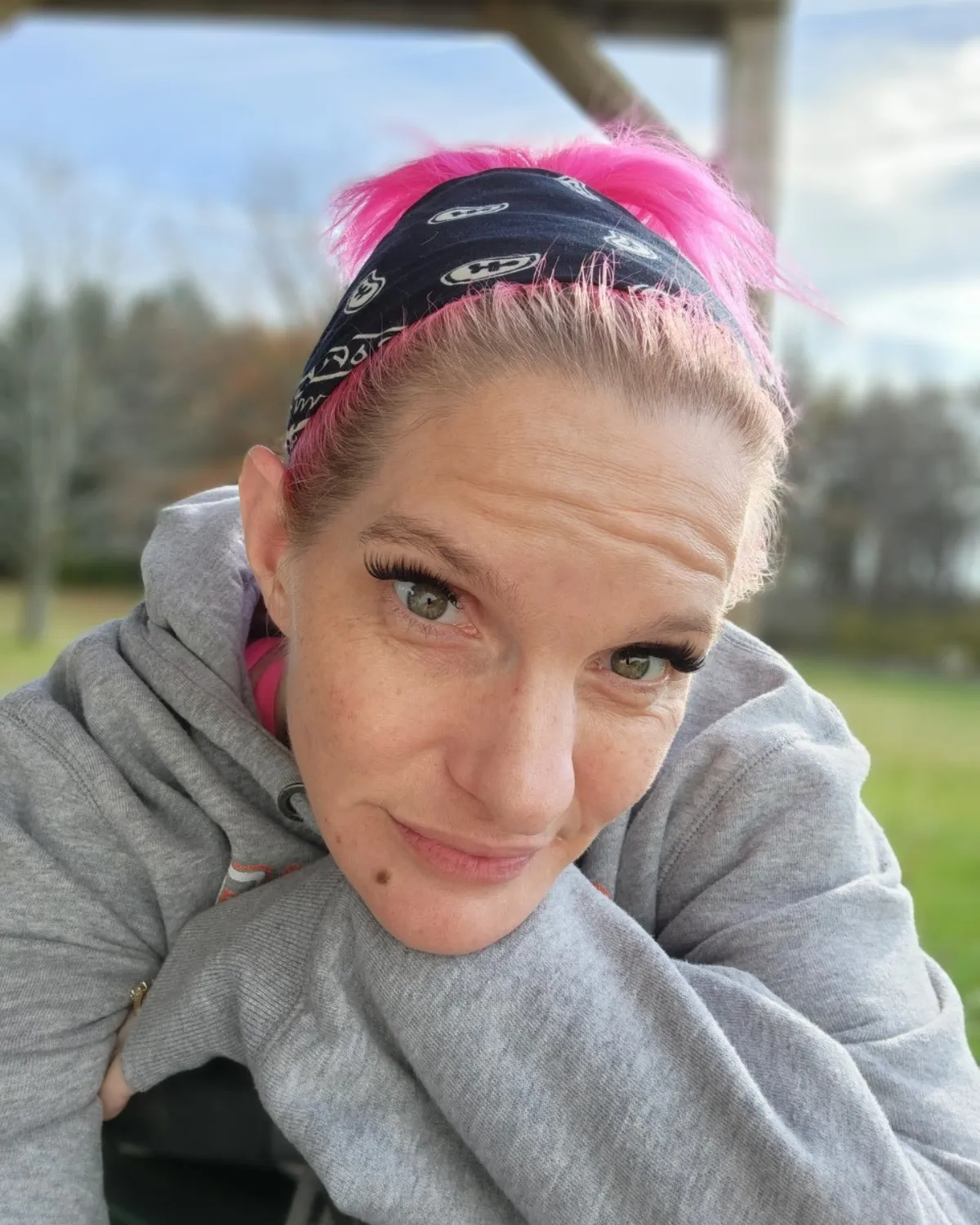
I’m Aleshia Wisch — and I know what it’s like to live inside a nervous system that doesn’t feel safe.
I’m the creator of the TRICHY Method™ and the work I teach is rooted in lived experience, not theory.
I didn’t come to this work through certifications alone. I came to it by living with trichotillomania, learning how to listen to my body instead of fighting it, and discovering that real change doesn’t come from willpower or shame — it comes from regulation, compassion, and support that meets you where you are.
Everything you’ll find here — the tools, the support calls, the programs — is designed to help you feel safer in your body first, so change becomes possible without forcing yourself to be someone you’re not.
If you’re tired of fighting yourself, you’re in the right place.
I didn’t need more control.
I needed safety.
For years, I tried to manage my trichotillomania the way most approaches teach — with willpower, awareness, and “better habits.” But the more I tried to control my body, the more unsafe it felt. The urges didn’t come from a lack of discipline. They came from a nervous system that was overwhelmed and bracing for threat.
Everything shifted when I stopped asking, “How do I make this stop?” and started asking, “What does my body need to feel safe right now?” Learning how to listen to my nervous system instead of fighting it changed my relationship with my body — and with myself.
That’s why the work I offer today is different. I don’t teach behavior control or shame-based accountability. I teach nervous-system–first support rooted in lived experience, compassion, and regulation. When the body feels safer, urges soften, self-trust returns, and change becomes possible — without forcing yourself to be someone you’re not.

You’re not broken. You’re overwhelmed.
You don’t need to try harder.
You don’t need more discipline, tracking, or rules.
And you don’t need to “fix” yourself to be worthy of support.
This work is for women living with trichotillomania who are tired of managing symptoms in silence and ready to understand what their body has been trying to communicate all along.
It’s for you if:
You’ve tried willpower, awareness, or habit-based approaches — and still feel stuck
You experience urges as intense, automatic, or overwhelming
You carry shame, self-blame, or fear around your behavior
You want to feel calmer, safer, and more at home in your body
You’re open to working with your nervous system instead of fighting it
This work may not be for you if you’re looking for:
A quick fix
Strict rules or behavioral control
Pressure, punishment, or “just stop” advice
What I offer is nervous-system–first support rooted in lived experience, compassion,
and safety — because when the body feels safer, real change becomes possible.
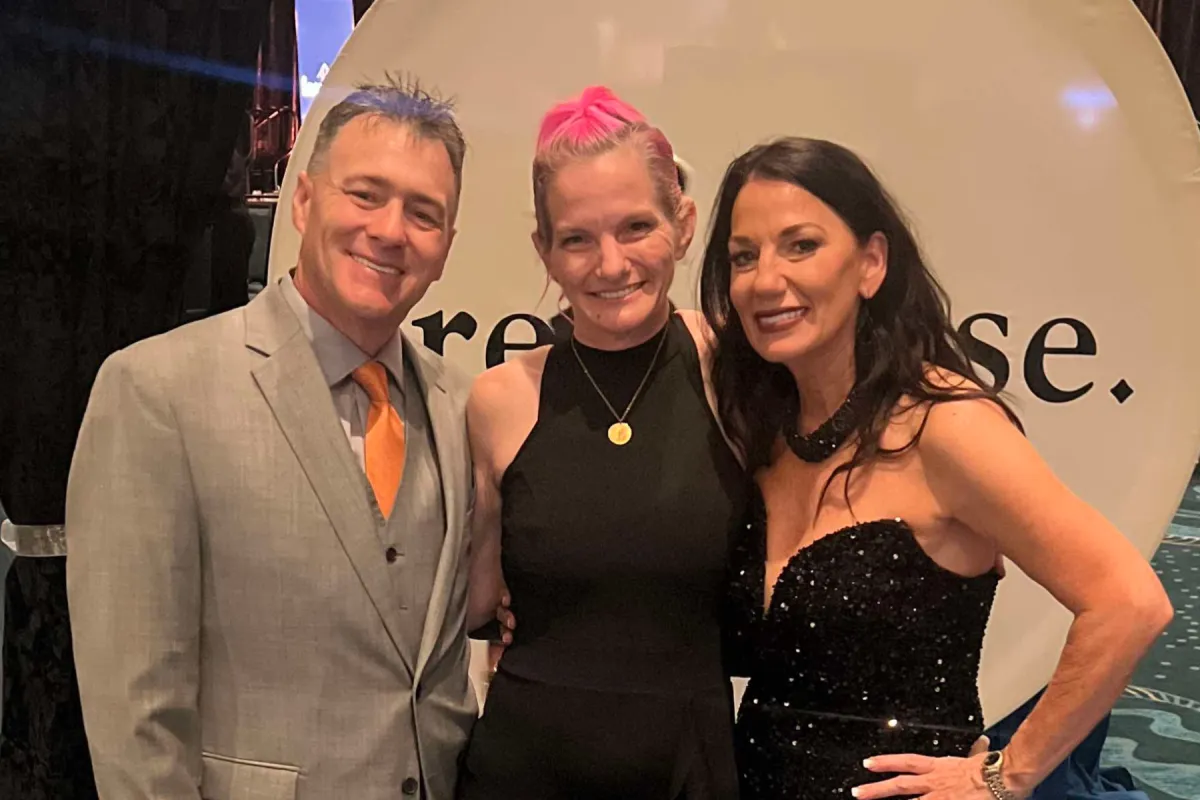
For a long time, trichotillomania made my world smaller.
I learned how to hide.
I learned how to stay quiet.
I learned how to keep myself on the outside so no one could see what I was struggling with.
Today, my life looks very different.
I’m a wife and a mom to three boys — two stepping into adulthood and one still finding his way — which has taught me more about nervous systems, patience, and regulation than any training ever could.
I’m a leader and an entrepreneur of multiple businesses. And I’m someone who no longer organizes her life around shame or secrecy.
The biggest change wasn’t “stopping” a behavior — it was learning that I get to belong.
That I don’t have to earn safety.
That connection doesn’t require perfection.
This work gave me my life back — not a smaller, managed version of it, but a fuller one.
And honestly? It’s still unfolding. It keeps getting better.
If you’re longing for a life that feels bigger, calmer, and more connected — you’re not asking for too much.
If you’re feeling overwhelmed, stuck, or unsure what kind of support you need, a
Shame-Free Support Call is a calm, compassionate place to begin.
This isn’t about fixing you or pushing for change. It’s a space to be heard,
understood, and supported — exactly where you are.
This is a conversation, not a commitment.